
Irrigation Trenching in Atlanta, GA
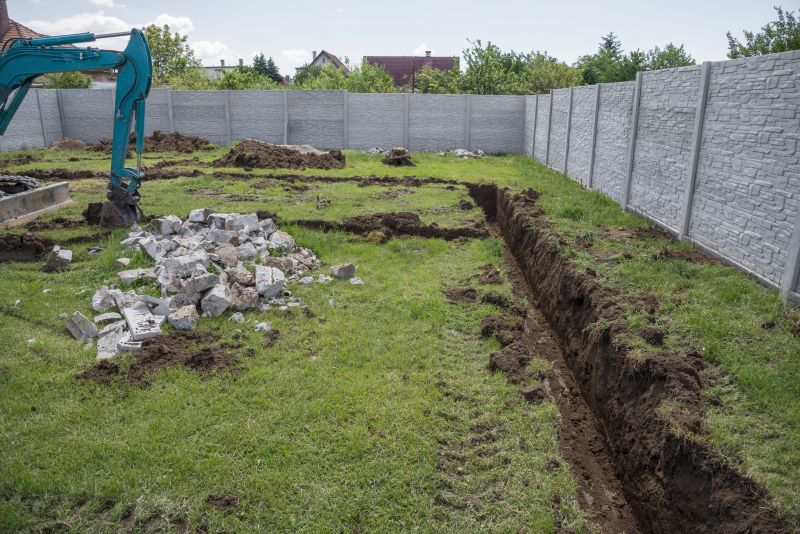
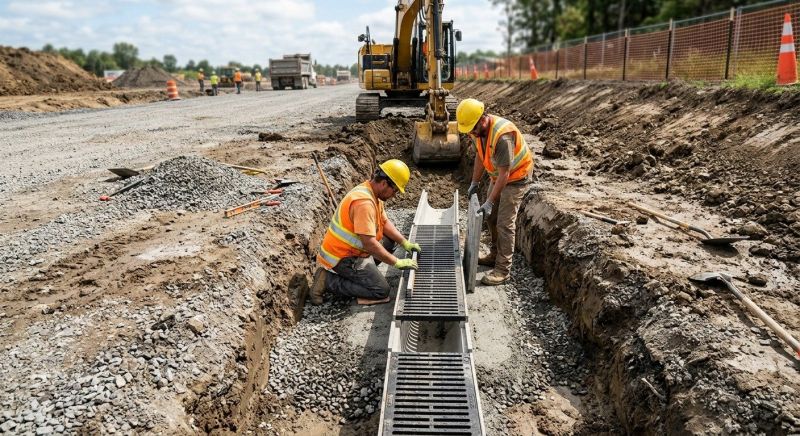
Irrigation trenching services involve digging narrow, precise channels in the soil to lay underground pipes and irrigation lines. These services are commonly used for installing or repairing sprinkler systems, ensuring even water distribution across lawns, gardens, and landscaped areas. Property owners typically request this service when setting up new irrigation systems, upgrading existing ones, or repairing damaged lines caused by soil movement or other issues.
Before requesting irrigation trenching, property owners should consider the size and layout of the area to be irrigated, as well as any existing underground utilities to avoid damage. Understanding the scope of the project, including the number of zones and types of irrigation components involved, can help determine the necessary trenching depth and length. Clear communication about the property's landscape features and any specific drainage or soil conditions can also support a smooth installation or repair process.
Many property owners in Atlanta, GA look into Irrigation Trenching for repairs, replacements, upgrades, and appearance-related improvements.
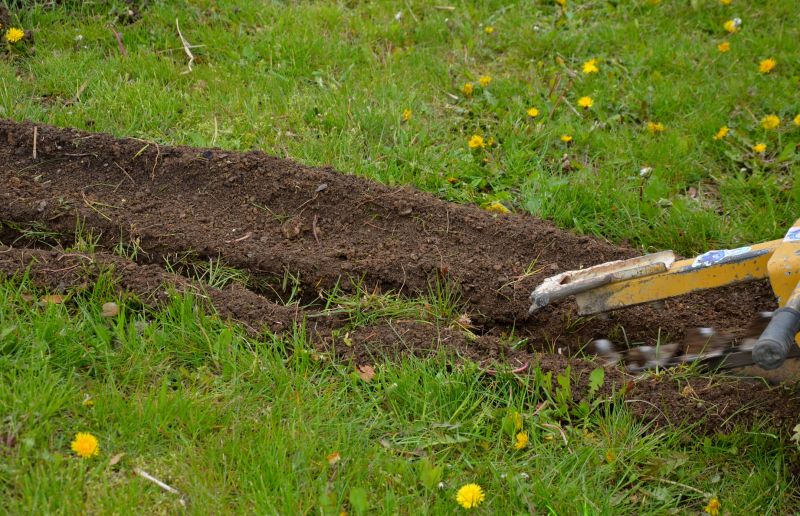
Irrigation Trenching For Lawn Installation
Proper trenches ensure efficient watering for new and established lawns in atlanta.
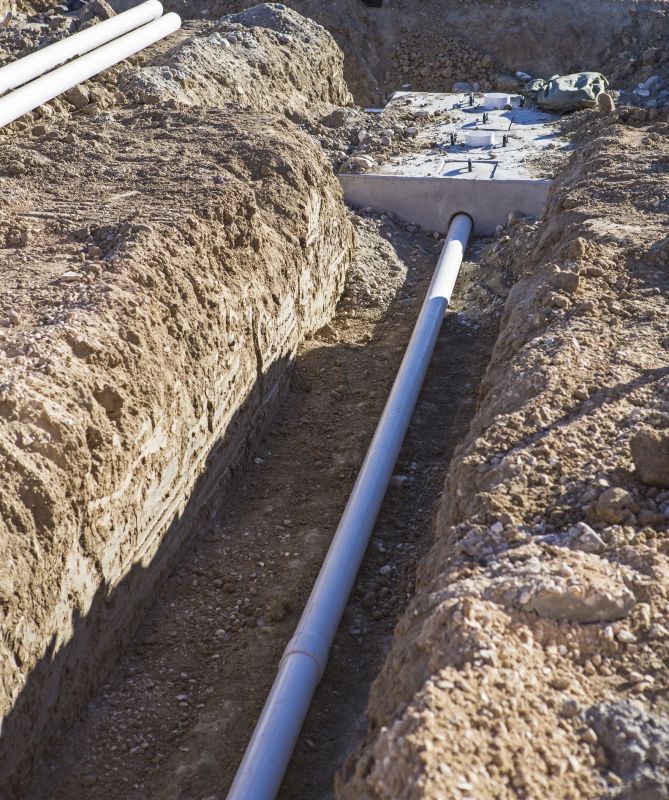
Underground Pipe Installation
Trenching allows for seamless underground pipe placement to support irrigation systems.
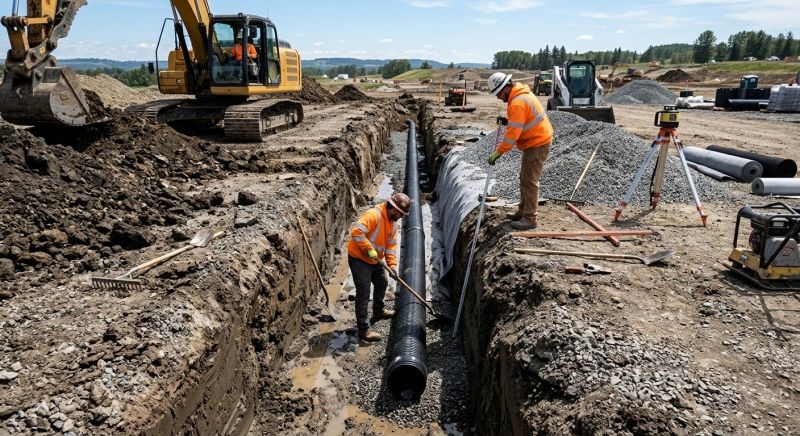
Property Drainage Improvements
Strategic trenching helps manage excess water and prevents pooling around homes in atlanta.
Irrigation Trenching in Atlanta, GA
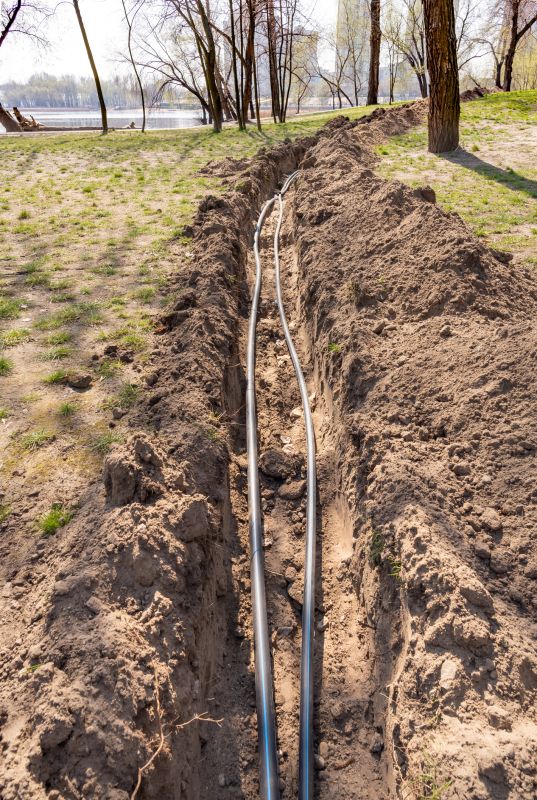
Irrigation trenching services involve digging narrow, precise channels in the soil to lay underground pipes and irrigation lines. These services are commonly used for installing or repairing sprinkler systems, ensuring even water distribution across lawns, gardens, and landscaped areas. Property owners typically request this service when setting up new irrigation systems, upgrading existing ones, or repairing damaged lines caused by soil movement or other issues.
Before requesting irrigation trenching, property owners should consider the size and layout of the area to be irrigated, as well as any existing underground utilities to avoid damage. Understanding the scope of the project, including the number of zones and types of irrigation components involved, can help determine the necessary trenching depth and length. Clear communication about the property's landscape features and any specific drainage or soil conditions can also support a smooth installation or repair process.
Many property owners in Atlanta, GA look into Irrigation Trenching for repairs, replacements, upgrades, and appearance-related improvements.
Common Irrigation Trenching Jobs
Irrigation trenching involves digging channels to install or repair underground sprinkler systems.
Drainage trenching helps redirect excess water away from lawns and foundations.
Utility trenching creates pathways for underground cables, pipes, or wiring needed for property upgrades.
Landscape trenching prepares soil for new planting beds or irrigation lines.
Drain tile installation involves trenching to set up systems that prevent water pooling in yards.
Soil preparation trenching assists in improving drainage and soil stability for landscaping projects.

Irrigation Trenching Questions
What is irrigation trenching? It involves digging narrow trenches to install or repair underground irrigation systems for lawns and gardens.
When is irrigation trenching needed? It is typically required when installing new sprinkler systems or replacing damaged underground pipes.
How deep are irrigation trenches? Trenches are usually dug to a depth that ensures proper placement of pipes, often around 6 to 12 inches deep.
What should property owners consider before trenching? It’s important to identify existing underground utilities and plan trench locations to minimize disruption and ensure proper coverage.
Request Irrigation Trenching in Atlanta, GA
Use the quote form on this page to share the basics of your project and request more information for the type of work you need.